WHAT IS ISS?
ISS stands for International Space Station, this is a large spacecraft in orbit around our planet, at an average altitude of 248 miles (400 kilometers). It circles the globe every 90 minutes at a speed of about 17,500 mph (28,000 km/h). It is a multinational collaborative project between Europe, the United States, Russia, Canada and Japan, that serves as a home where crews of astronauts and cosmonauts live. The ISS is also a laboratory, NASA is using the space station to learn more about living and working in space. These lessons will make it possible to send humans farther into space than ever before.
Gallery
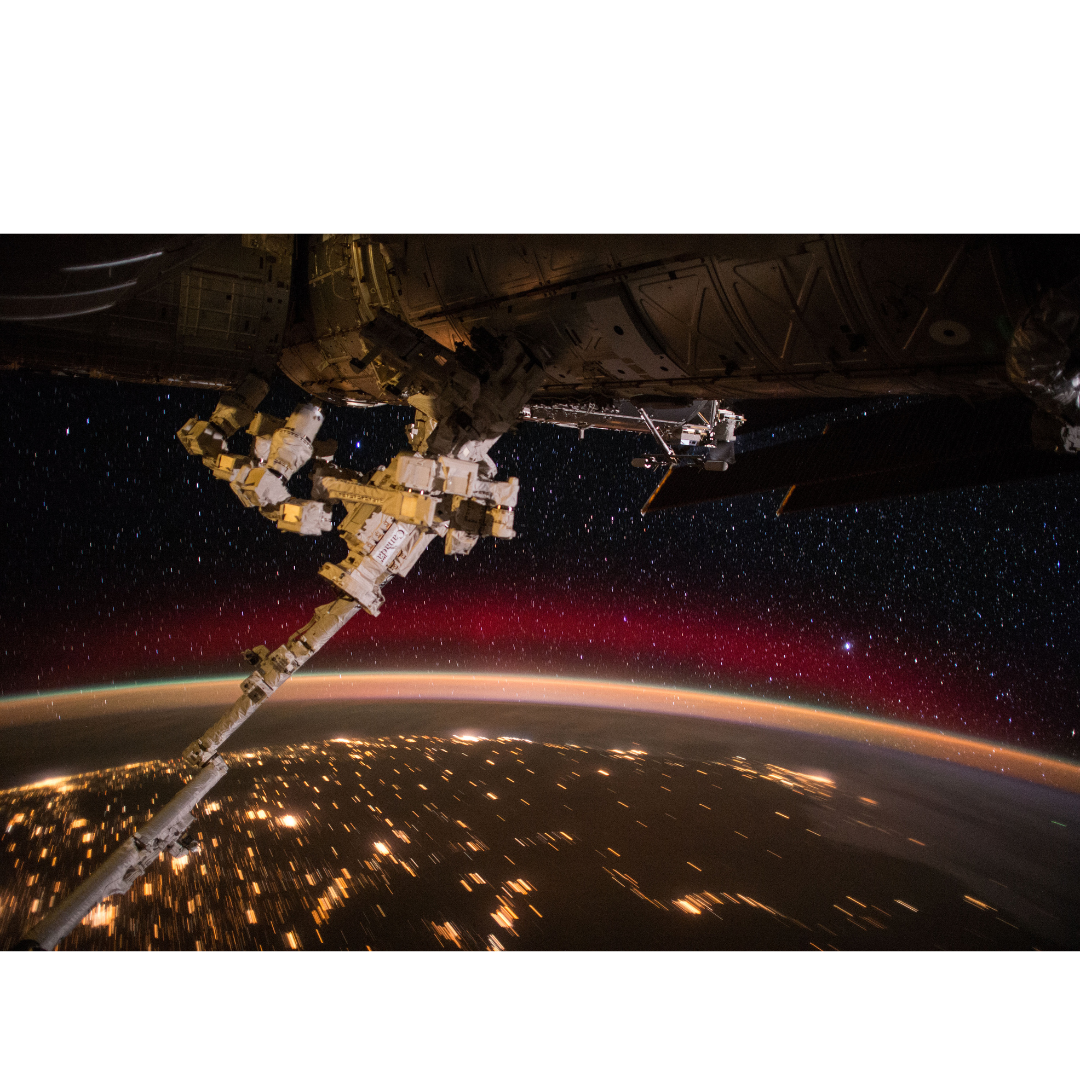
The Special Purpose Dexterous Manipulator (SPDM), also known as Dextre, is pictured attached to the International Space Stations Canadarm2 robotic arm.
The Soyuz MS-21 crew ship is docked to the Prichal module above the Caribbean Sea.
The space station orbits above northwest Sudan
Hurricane Ian is pictured from the International Space Station as it orbited 258 miles above the Caribbean Sea east of Belize.
CONTRIBUTIONS
There have been many scientific and technological breakthroughs thanks to the Space Station. The contributions from it vary from a new way to monitor our planet, to growing food with minor gravity. There are many things we can attribute to the ISS, some of them include research for many conditions such as heart disease, cancer and asthma. Also, the investigators in the ISS are searching for methods to combat muscle atrophy and bone loss.
MISSION
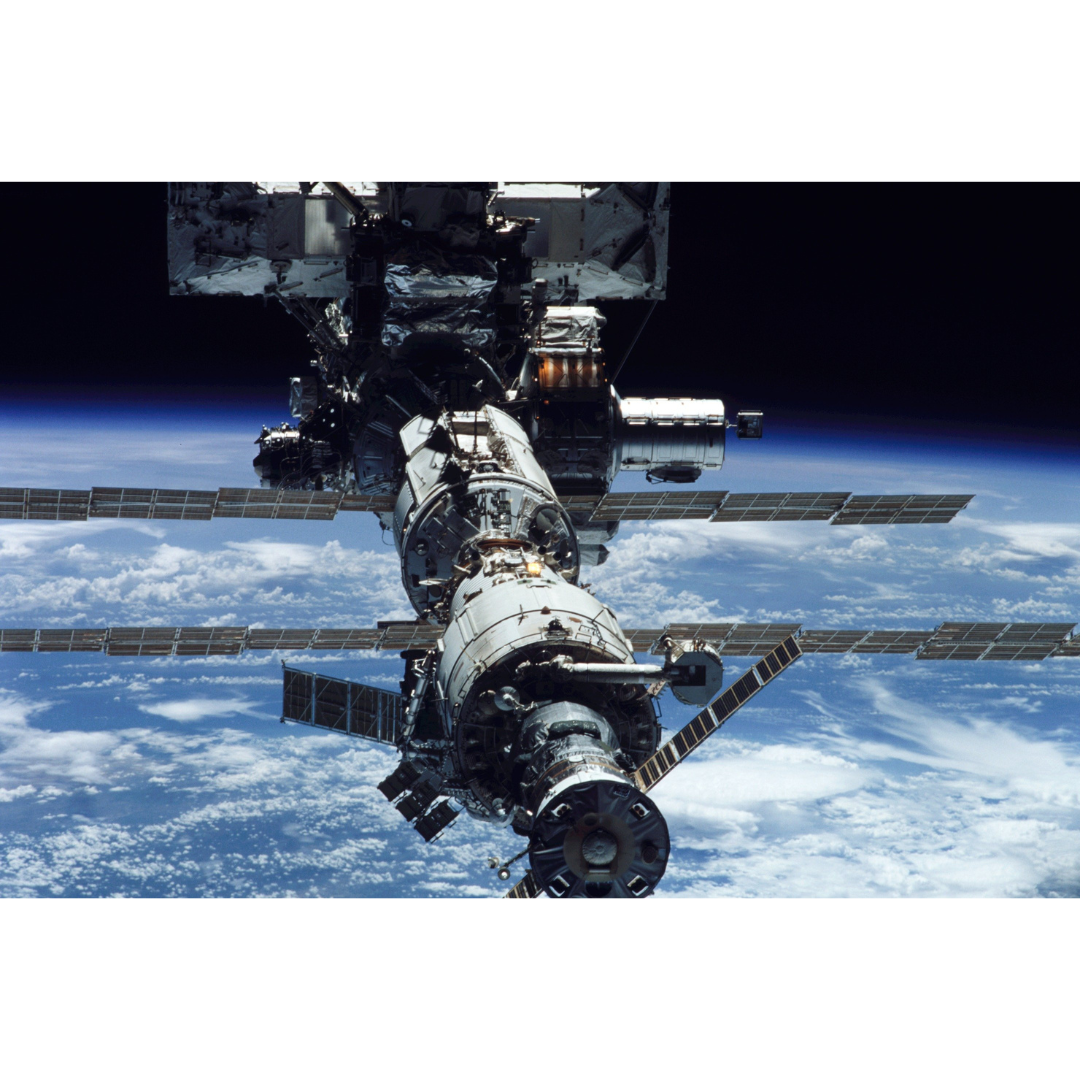
The mission of the International Space Station is to enable long-term exploration of space and provide benefits to people on Earth. With six state-of-the-art laboratories, the Space Station will be the premiere research facility in space, four times larger and more capable than any previous space station.